
Aeronautical Engineering
What is Aeronautical Engineering?

What to Expect from Aeronautical Engineering Degrees

Engineering Specializations
Aeronautical engineering offers diverse specialization paths. Select a domain below to explore detailed technical focus areas and career opportunities.

Aerodynamics
Study of airflow, fluid dynamics, aerodynamic design, and the interaction between bodies and the atmosphere.
Learn More
Aeroelasticity
Investigation of the interaction of inertial, structural/elastic and aerodynamic forces on aircraft and aerospace structures.
Learn More
Avionics
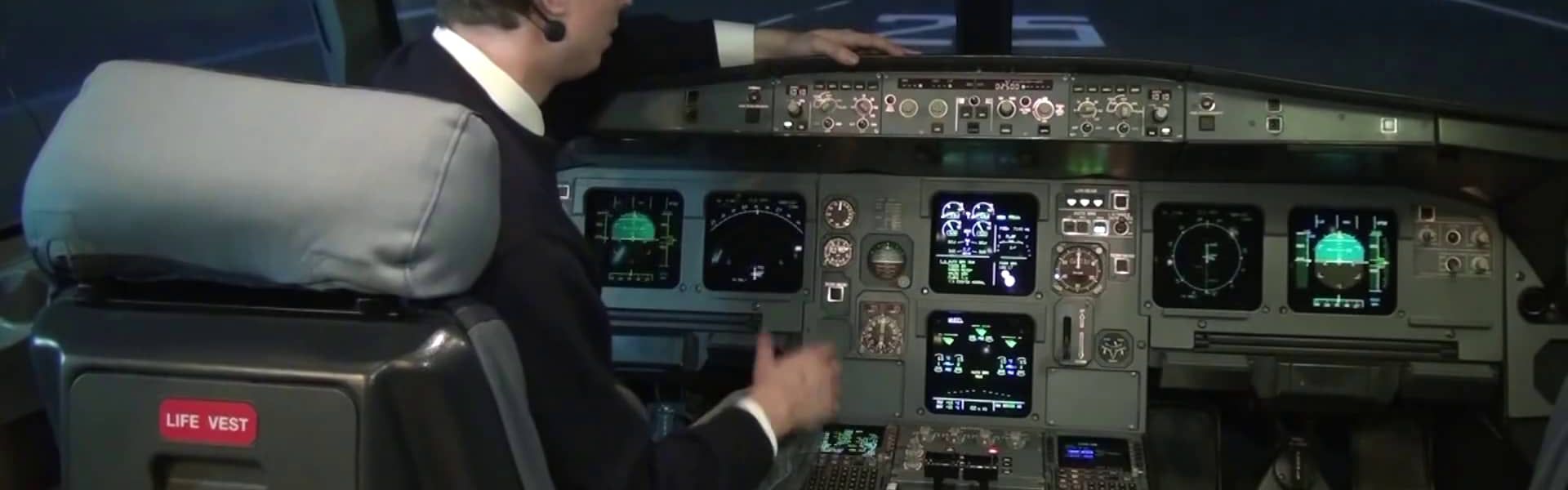
Electronic systems used on aircraft including flight instrumentation, navigation equipment, and communication systems.
Learn More
Propulsion
Design and development of aircraft engines, studying thermodynamics, gas dynamics, and various propulsion systems.
Learn MoreStructures & Materials
Analysis and design of aircraft structures, materials science, and innovative lightweight composite materials.
Learn MoreComposites Analysis
Study of advanced composite materials (ACMs) for aerospace applications and structural components.
Learn MoreAerodynamics
Aerodynamics is the field of engineering concerned with the interaction between bodies and the atmosphere, studying the resulting forces and motion of objects through air. This specialization is fundamental to all aspects of aircraft design and performance optimization.
Aerodynamics Specialization
Key Areas of Study
Students learn aerodynamic design principles, compressible flow theory, flow control techniques, and flow measurement methodologies. The curriculum covers power control systems, structural design integration, and fluid dynamics at various speeds from subsonic to hypersonic regimes.
Practical Training
You'll utilize wind tunnels and computational fluid dynamics (CFD) for aerodynamic modeling, build scale models, and complete flight testing procedures. Training includes flow control and evaluation, engine and experimental aerodynamics, transonic flow behavior, hypersonic and high-temperature gas dynamics, and launch and reentry aerodynamics.
Career Applications
The pursuit of aerodynamic refinement and performance optimization for next-generation aircraft ensures constant demand for engineers with expert knowledge of fluid flow behavior. Environmental awareness has created even greater emphasis on aerodynamic efficiency in flight control and flight dynamic applications.
Aeroelasticity
Aeroelasticity examines the interaction of inertial, structural/elastic, and aerodynamic forces on aircraft, structures, and surface vehicles, and the influence of this interaction on design. This field combines knowledge from structural dynamics, aerodynamics, and control theory.
Aeroelasticity Specialization
Foundation Knowledge
Building on courses such as dynamics, structures, materials science, and aerodynamics, students are introduced to aeroelastic concepts.
- The flexible aircraft concepts
- Control inversion phenomena
- Divergence analysis
- Flutter behavior and prediction
- Limit cycle oscillations
- Vortex shedding phenomena
Laboratory Experience
Students work with models of aircraft wings, fuselage and rotor systems, alongside comprehensive tools to model the complex structural dynamics of aircraft and helicopters.
- Air flow testing procedures
- Ground vibration testing
- Flight flutter testing
- Aeroelasticity challenge evaluation
- Interaction analysis with aerodynamics and stability
Broader Applications
Knowledge of aeroelasticity extends beyond aviation to fields such as energy harvesting from wind, civil engineering structures like bridges and buildings, and even medical applications including understanding phenomena like snoring and respiratory issues. This interdisciplinary nature makes aeroelasticity specialists valuable across multiple industries.
Avionics
Avionics refers to the electronic systems used on aircraft, artificial satellites, and spacecraft. This portmanteau of 'aeronautics' and 'electronics' encompasses all the critical systems that make modern flight possible.
Avionics Specialization
System Coverage
The field includes comprehensive electronic systems critical for modern flight operations:
- Flight instrumentation and cockpit displays
- Navigation equipment and autopilot systems
- Radar and data acquisition systems
- Communication and air traffic control systems
- Satellite global positioning systems
- Weather monitoring systems
- Weapons aiming and delivery systems
- Altitude and speed sensors
Educational Path
Beginning with an introduction to aviation electronics, the curriculum covers:
- Avionics systems design and integration
- Electromagnetic compatibility
- Flight dynamics and control systems
- Motion control and servo drive systems
- Radar and navigation technologies
- Reliability and failure analysis
- Advanced instrumentation systems
Industry Relevance
Modern aircraft rely heavily on sophisticated avionics systems. Glass cockpit technology, fly-by-wire systems, and advanced autopilot capabilities have revolutionized aviation safety and efficiency. Avionics engineers are crucial in developing next-generation systems including autonomous flight technology, enhanced vision systems, and integrated flight management systems.
Propulsion
Aircraft propulsion engineering focuses on the design, development, production, assembly, and testing of aircraft engines that must meet stringent power and performance requirements. This specialization combines thermodynamics, gas dynamics, and materials science.
Propulsion Specialization
Core Studies
Students examine fundamental principles governing engine performance:
- Stream mechanics and thermodynamics fundamentals
- Gas dynamics principles and strength of materials
- Turbomachinery principles and combustion chambers
- Maximum thrust optimization
- Rocket nozzle designs
- Subsonic and supersonic intake designs
- Gas turbine configurations
Theoretical Foundation
- Theory for propeller-based propulsion
- Propulsive efficiency of various aircraft propulsion types
- Environmental impact of aircraft propulsion
- High-speed aircraft flight dynamics
- Thermodynamics and aerodynamics of flow in gas turbines
Emerging Technologies
The field is evolving rapidly with development of electric propulsion systems, hybrid-electric engines, hydrogen fuel cells, and advanced sustainable aviation fuels. Students may also study alternative propulsion including electric and ion propulsion for spacecraft applications.
Structures & Materials
Structures and materials engineering focuses on the design, analysis, and testing of aircraft structural components using advanced materials and innovative construction techniques. This field ensures aircraft can withstand operational stresses while remaining as lightweight as possible.
Structures & Materials Specialization
Learning Outcomes
Students master terminology associated with aircraft structures and develop critical analytical skills:
- Evaluate structural behavior through analytical, experimental, and numerical methods
- Finite element analysis (FEA) techniques
- Predict and validate behavior of structural members under load
- Experimentation and testing procedures
Design Expertise
Comprehensive training in aircraft structural design:
- Design and size aircraft structural configurations
- Various load combination analysis
- Structural integrity assessment
- Material selection criteria
- Stress analysis techniques
- Fatigue life prediction
- Damage tolerance evaluation
- Composite materials applications
- Bonded joints design
- Advanced manufacturing processes
Innovation Focus
The field emphasizes developing novel materials, hybrid material combinations, and exploring new structural concepts – all aimed at keeping structures and materials as lightweight as possible without compromising safety or performance. Engineers in this field work on everything from wing structures to fuselage design, landing gear, and control surfaces. Understanding of materials ranging from traditional aluminum alloys to carbon fiber composites and emerging nanomaterials is essential.
Composites Analysis
Composites analysis involves the study of advanced composite materials (ACMs) for their capabilities in new aircraft, aerospace structural parts, and other challenging engineering applications. These materials offer superior strength-to-weight ratios compared to traditional metals.
Composites Analysis Specialization
Material Systems
Students gain understanding into composite systems and advanced analytical techniques:
- Polymer matrix composites
- Metal matrix composites
- Ceramic matrix composites
- Fractography analysis
- Mechanical testing procedures
- Stress analysis methods
- Finite element analysis
- Laminate analysis procedures
Comprehensive Coverage
The curriculum encompasses the complete lifecycle of composite materials:
- Design methodology and optimization
- Joining techniques for composites
- Defect detection methods
- Non-destructive evaluation (NDE)
- Fatigue analysis and prediction
- Impact resistance testing
- Environmental effects assessment
- Fiber/matrix interface properties
- Stability/strength relationships
- Manufacturing science and processes
Industry Application
Composites analysis is critical in the quest to create lighter yet stronger materials for aircraft structures. Modern commercial aircraft like the Boeing 787 and Airbus A350 use over 50% composite materials by weight. Military aircraft, spacecraft, and satellites increasingly rely on advanced composites. Specialists in this field work on developing new composite materials, improving manufacturing processes, and ensuring structural integrity throughout the aircraft's operational life.
Entry Requirements & Academic Standards
Academic Qualifications
You'll need to be highly qualified in mathematics and physics to apply – expect your competency in these two subjects to be rigorously tested. Strong performance in these foundational subjects is essential for success in aeronautical engineering programs.
Typical Entry Requirements:
- ▹High school diploma or equivalent with strong grades in Mathematics and Physics (typically 80%+ or A/A* grades)
- ▹Chemistry or other science subjects highly recommended
- ▹Strong mathematical aptitude including calculus, trigonometry, and algebra
- ▹Minimum age typically 17-18 years at program commencement
International Students:
- ▹If your degree is taught in English and you are an international student, you may need to demonstrate proficiency through standardized tests such as IELTS (typically 6.0-6.5 overall) or TOEFL (80-90 iBT)
- ▹Some institutions offer English language preparatory courses prior to beginning your degree to help you obtain a student visa or entry into the program
- ▹Academic transcripts must be officially translated and evaluated for equivalency
Skills Acquired
Research Methodology
High proficiency in research strategy, examinations and data collection
Analytical Thinking
Excellent analytical and logical reasoning skills for complex problem-solving
Mathematics & Physics
Strong knowledge of advanced mathematics and physics principles
Interdisciplinary Skills
Expertise in mechanics, materials science, and engineering systems
Problem Solving
Ability to identify and tackle complex technical challenges
CAD/CAM Software
Proficiency in computer-aided design and manufacturing tools
Computational Skills
Expertise in CFD, FEA, and simulation software
Materials Science
Understanding of material properties, testing, and selection
Systems Engineering
Holistic approach to complex aerospace system design
Project Management
Leadership and coordination of engineering projects
Technical Communication
Ability to present complex technical information clearly
Experimental Methods
Expertise in testing, validation, and data analysis
Aeronautical Engineering Careers
Aeronautical Engineer
As an aeronautical engineer, you'll apply scientific, technological, and mathematical principles to research, design, develop, maintain, and test the performance of civil and military aircraft, weapons, satellites, and spacecraft. You may also work on designing or manufacturing the various components that make up these aircraft and systems using computer-aided design (CAD) software.
This role involves improving flight safety, fuel efficiency, speed, and weight optimization, reducing system costs, utilizing advancing technologies to meet customer and environmental needs, developing design specifications, addressing environmental impact of air travel, and overseeing materials and systems design.
Aeronautical Researcher
An aeronautical researcher investigates new technologies, materials, systems, and equipment in the aeronautical engineering field. You'll analyze and test discoveries, compare findings with existing knowledge, test inconsistencies, write reports outlining conclusions, and ensure you utilize specific, accurate methodologies for each investigation.
Aeronautical Consultant
An aeronautical consultant uses their years of experience to provide business and technical solutions across a wide range of areas in the aviation industry. You'll perform analysis of your client's current practices, conduct asset (aircraft and engine) valuations, perform safety audits, recommend options and improvements, and help implement these improvements to maximize profitability, safety, and efficiency.
Other Career Paths
Aeronautical engineering graduates also pursue careers in:
- Aircraft manufacturing companies (Boeing, Airbus, Lockheed Martin)
- Defense organizations and military contractors
- Space agencies (NASA, ISRO, ESA)
- Airlines and aviation authorities
- Research institutions and universities
- Regulatory bodies and certification agencies
- Technical sales and customer support
- Aviation training and education
Sunsea's Services
Sunsea supports your educational journey in aeronautical engineering through comprehensive guidance and assistance services.
Expert Counseling
Identify suitability for courses, institutions, and countries based on your aspirations and talents, both inherent and academic
Eligibility Verification
Undertake eligibility checks and manage relevant documentation relating to your application
Admission Support
Facilitate receipt of confirmation/offer/acceptance letters from institutions
Application Processing
Handle the complete admission process with documentation and submission
Financial Guidance
Provide effective guidance on availing loan facilities from banks and financial institutions
Visa Assistance
Comprehensive guidance on visa process, document preparation, and submission
Pre-Departure Briefing
Thorough pre-departure briefings to prepare you for studying abroad
Airport Pickup
Arrange convenient airport pickup at your destination for a smooth arrival
Accommodation Help
Assist in finding suitable accommodation near your university
Start Your Journey
Let Sunsea guide you to the best aeronautical engineering programs worldwide
Top Universities
Access to premier aeronautical engineering programs in USA, UK, Canada, Australia, and Europe.
Career Support
Guidance on internships, industry placements, and career opportunities with leading aerospace companies.
Global Network
Connect with a worldwide network of aeronautical engineering professionals and alumni.